
Radical reform begins when we recognize that our responsibility extends beyond building public infrastructure
A SCHOOL building can be completed on schedule, pass inspection, and receive its final payment, yet still leave teachers struggling with overcrowded classrooms, inadequate ventilation, or unreliable water supply.
Somewhere in the process, government successfully delivered a construction project while falling short of the service that justified spending public money.
This reveals a deeper weakness in how we organize public infrastructure. We have built an administrative system around the act of construction, with separate institutions responsible for identifying needs, building facilities, and eventually operating them.
Each institution can fulfill its assigned duties while the overall result remains disappointing.
The problem begins with fragmented responsibility.
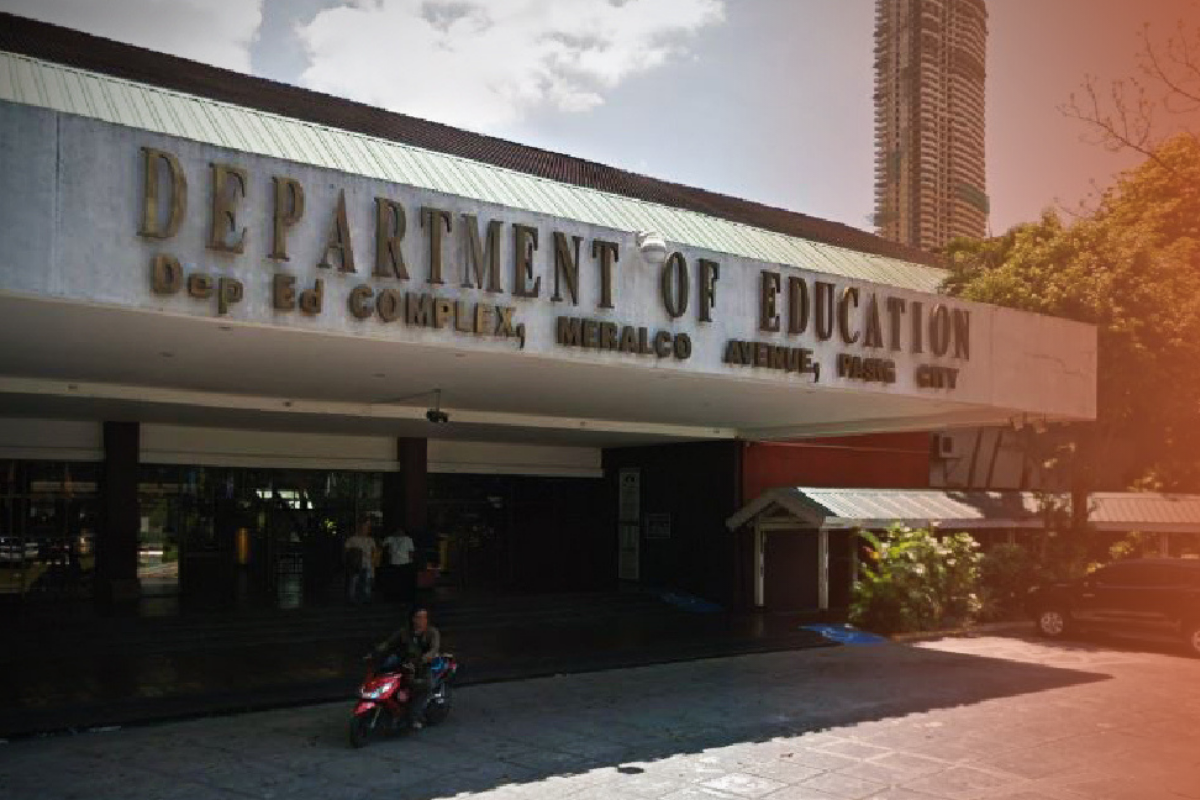
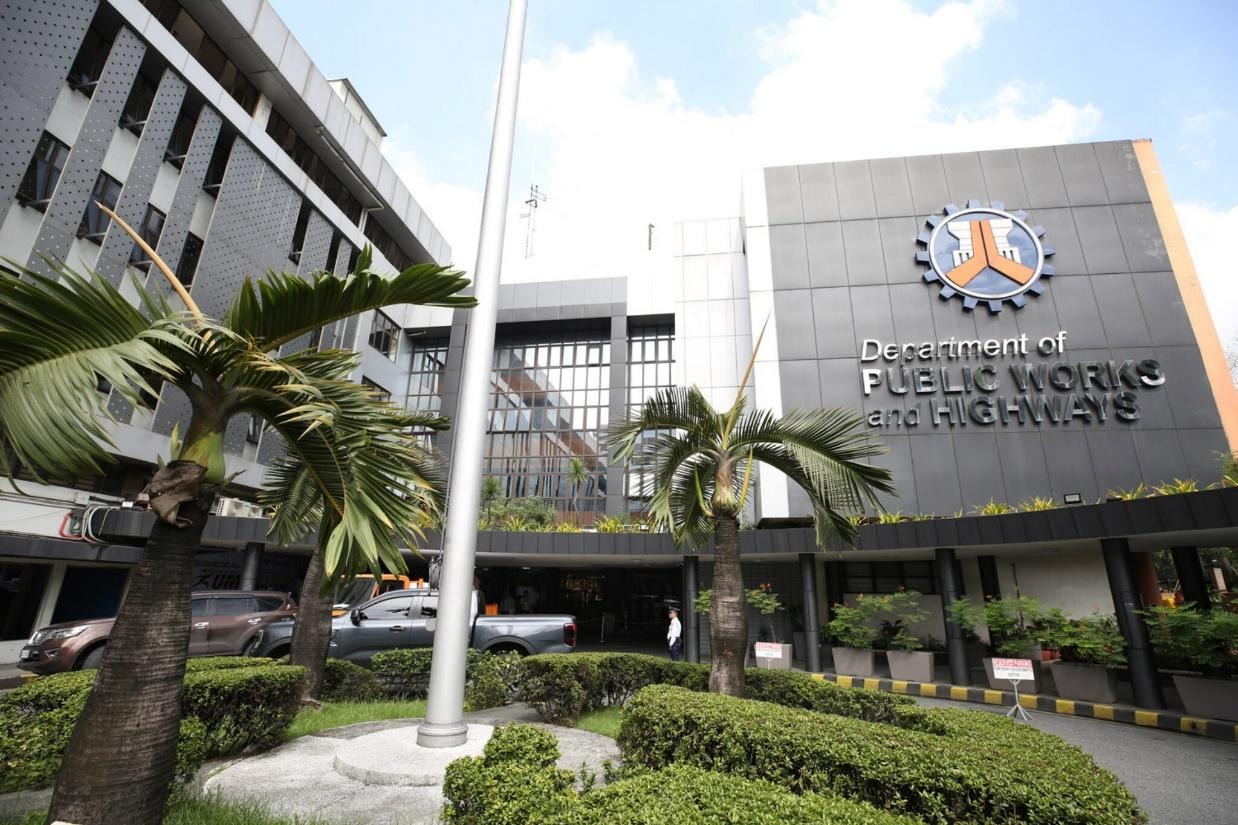
Consider how we build public schools. The Department of Education understands enrollment patterns, classroom shortages, teaching requirements, and the conditions under which children learn. The Department of Public Works and Highways brings engineering expertise and construction capacity.
Their respective mandates make sense individually. Yet dividing decisions between institutions creates opportunities for delays, conflicting priorities, and gaps in accountability.
When problems arise, responsibility can travel from office to office. Construction officials point to approved specifications.
Operating agencies refer to limitations in project implementation. Meanwhile, students and teachers live with the consequences.
This fragmentation also affects how government defines success.
Construction agencies naturally concentrate on contracts, physical accomplishments, and completed structures. Service agencies are concerned with educational outcomes, patient care, accessibility, and everyday operations.
The difference becomes particularly important when we consider reliability.
Infrastructure represents a long-term public commitment. A hospital building requires equipment, personnel, electricity, water, maintenance, and continuing investment.
A school needs repairs, sanitation, accessibility, and sufficient capacity as enrollment changes.
Yet our budgetary and administrative arrangements frequently treat construction and operation as separate concerns. The institution building a facility may have limited responsibility for its performance after turnover.
This creates an unfortunate incentive. Completing a project becomes easier to recognize and reward than ensuring its usefulness over twenty or thirty years.
A more sensible approach would assess infrastructure through its entire working life. Construction costs, operating expenses, maintenance requirements, and eventual rehabilitation should inform decisions from the beginning.
Agencies responsible for delivering services should have stronger authority over the facilities they need and clearer accountability for their performance.
That brings us to a more consequential discussion about institutional reform.
We need to pursue radical reforms in our present system of infrastructure governance, beginning with a comprehensive review of how responsibilities are distributed, decisions are made, and public investments are managed.
Such reforms should include a serious examination of the present functions and institutional arrangements of the DPWH, alongside the responsibilities of agencies that ultimately operate and maintain public facilities.
Recent changes in classroom construction offer a useful starting point.